When to Replace Your Car Battery: Signs & Next Steps
No one wants to be stranded with a dead car battery, especially when it's preventable. If you've ever walked out to your car, turned the key (or pushed the button), and gotten nothing but a click—or worse, silence—you know how important it is to keep an eye on battery health. This guide is designed to help you understand when to replace your car battery, the signs to look for, and what steps to take to find a nearby battery replacement service center.
Why Battery Health Matters
Your vehicle's 12-volt battery does more than just help start the engine. In internal combustion engine vehicles—and in some hybrids—it supplies electrical energy when the engine is off and delivers the high current needed to operate the starter motor. It also helps provide stable voltage to vehicle electronics by buffering voltage spikes and supporting the charging system while the engine is running.
In electric vehicles, the 12-volt auxiliary battery powers low-voltage systems when the high-voltage system is not in Ready Mode. Once the vehicle is in Ready Mode, a DC-to-DC converter uses the high-voltage battery to supply the low-voltage system and recharge the auxiliary battery, similar to how an alternator supports a traditional vehicle’s electrical system.
Staying ahead of battery issues may help prevent being stuck unexpectedly, especially in colder months when battery performance tends to drop. Regular checks and timely replacements promote reliable operation and may help you stay ahead of problems that could lead to costly repairs.
5 Signs Your Car Battery Might Be Failing
5 Signs Your Car Battery Might Be Failing
Knowing when to replace your car battery starts with understanding what to look for. Here are some of the most common signs:
- Slow Engine Crank: If your engine takes longer than usual to start or turns over sluggishly, your battery may be losing charge or nearing the end of its service life.
- Dim Headlights or Charging-System Issues: Dim or flickering headlights—especially when paired with a battery or charging-system warning light—may indicate an alternator problem rather than a battery issue alone.
- Dashboard Warning Light Some vehicles have a specific battery alert light. If it’s illuminated, your battery or charging system might need attention.
- Frequent Jump Starts: If your vehicle requires a jump start, something in the electrical system has failed or is not maintaining charge properly. A professional test can help determine whether the issue is the battery, alternator, connections, or another electrical component.
- Crank-No-Start Situations: A failing battery may have enough current to crank the engine with the starter motor but not enough remaining power to operate the ignition, fuel, and control systems needed for the engine to run.
- Random Electronic Malfunctions: Intermittent warning lights, infotainment resets, power accessory glitches, or other unpredictable electronic behavior can occur when a failing battery no longer stabilizes vehicle voltage effectively.
If you’re experiencing any of these, it may be time to look into a replacement. Learn more about the signs of a failing car battery.
How Often Should You Replace Your Car Battery?
Most car batteries last between three and five years. However, several factors can influence that lifespan:
- Climate: Extreme heat or cold can accelerate battery wear.
- Driving Habits: Frequent short trips don’t allow the battery to fully recharge.
- Vehicle Type: Modern vehicles with advanced technology and stop-start systems may put extra demand on batteries.
If your battery is more than three years old, it’s wise to begin regular inspections and testing, even if you haven't noticed symptoms yet.
How to Know for Sure: Testing and Diagnosis
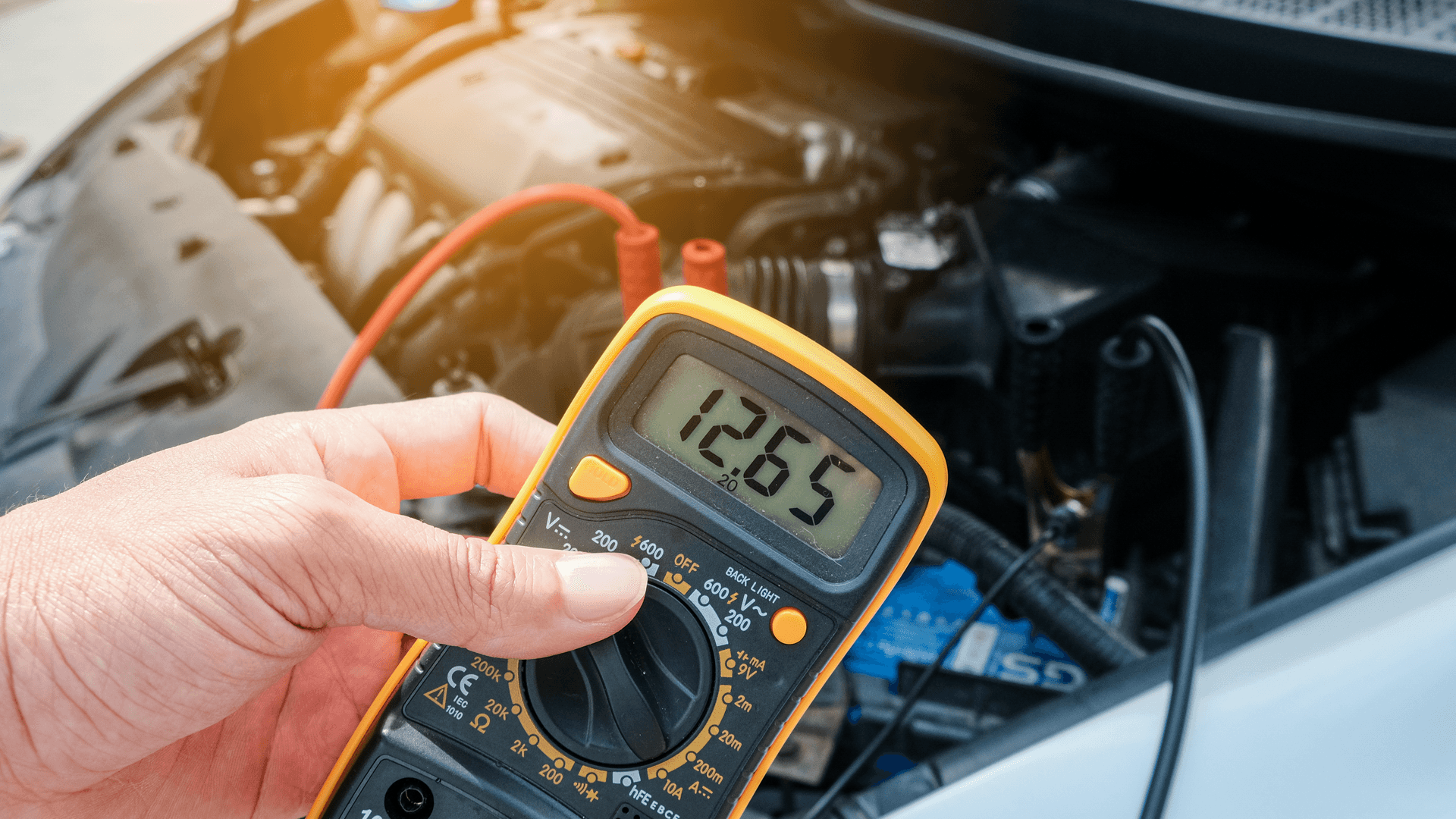
If you're unsure whether you need a new battery, a professional battery test is your best bet. This quick service measures your battery's state of charge and capacity to hold a load. Technicians also check the alternator and starter system to help rule out other issues
During routine maintenance, a service professional can inspect your battery terminals for corrosion and look to help verify that connections are tight and clean. Curious about overall battery care? Check out this guide to car battery maintenance.
You can request a test during your next local auto repair visit —many shops, like Pep Boys does, offer complimentary battery checks with other services.
What to Do If You Need a New Battery
If testing confirms your battery is on its way out, don’t wait. A replacement is typically a quick service that can help reduce the risk of further issues. If testing points to the alternator or another electrical component instead, addressing that root cause can help prevent repeated dead-battery symptoms. Here’s what to consider:
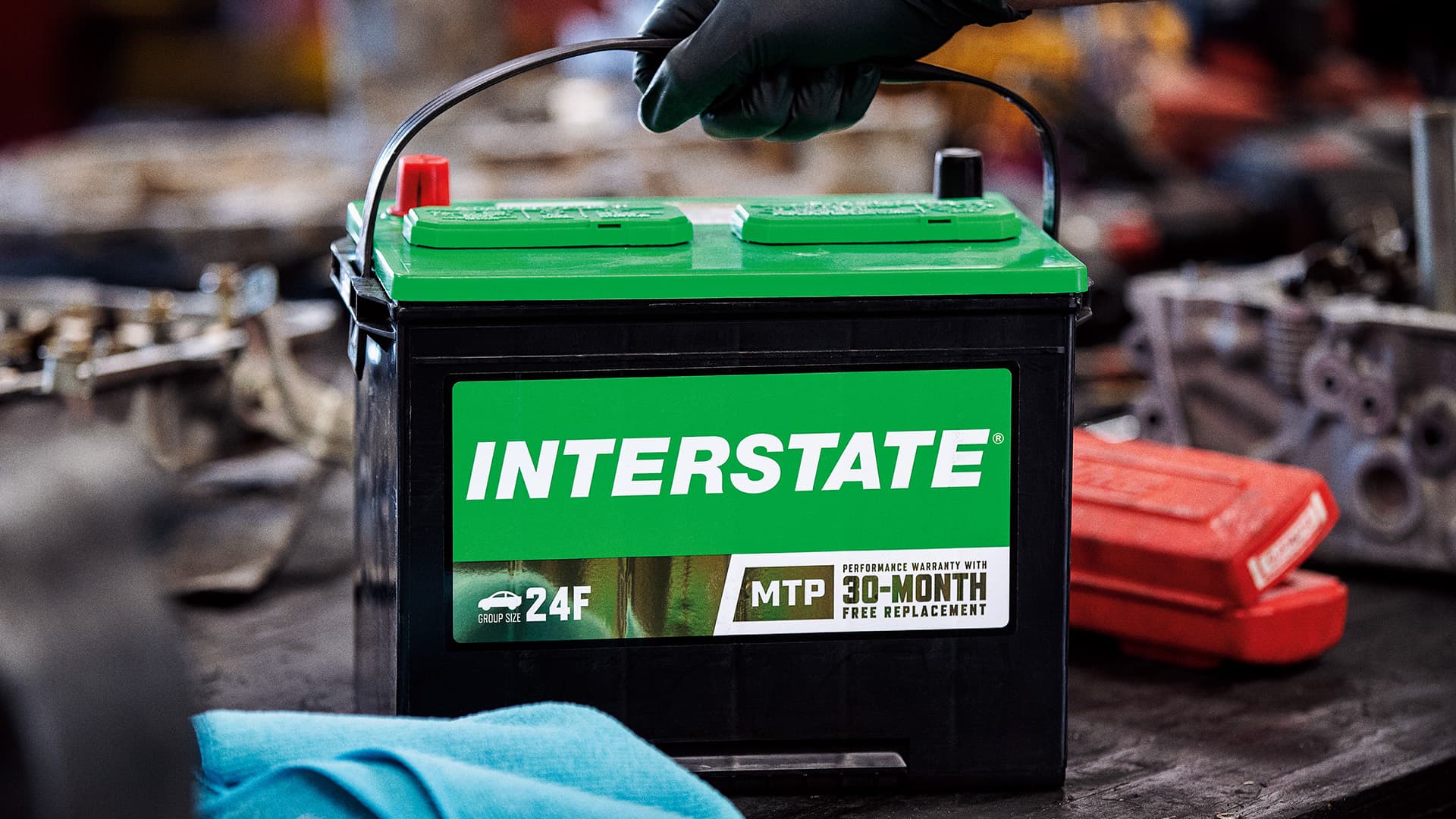
- Battery Type: Standard flooded batteries, absorbent glass mat (AGM), and enhanced flooded batteries (EFB) are all common today. Your vehicle and driving habits inform which battery type may be the best for you.
- Cold Cranking Amps (CCA): Especially important in colder climates, CCA indicates how well a battery starts in low temperatures.
- Reserve Capacity (RC): This rating tells you how long the battery can run essential functions if the charging system fails.
When to Replace Car Battery: Final Thoughts
Understanding when to replace your car battery helps you stay in control of your vehicle's performance and reliability. While most batteries last several years, they don’t always give clear warnings before failure. Paying attention to common signs, getting periodic tests, and seeking help when needed are all part of smart car ownership.
If your vehicle’s starting behavior seems off or your battery is more than a few years old, don’t wait until it fails. Schedule a check today to help keep your drive dependable and for greater peace of mind behind the wheel.