It looks like you're trying to change locations with items in your cart. Please note: since product availability can vary by location, changing your location will remove the current items in your cart. If you proceed, you'll need to reselect items based on availability at the new selected location.
Would you like to proceed with changing your location?
Change Location Confirmation
It looks like you're trying to change locations with items in your cart. Please note: since product availability can vary by location, changing your location will remove the current items in your cart. If you proceed, you'll need to reselect items based on availability at the new selected location.
Would you like to proceed with changing your location?
Change Location Confirmation
It looks like you're trying to change locations with items in your cart. Please note: since product availability can vary by location, changing your location will remove the current items in your cart. If you proceed, you'll need to reselect items based on availability at the new selected location.
Would you like to proceed with changing your location?
Change Location Confirmation
It looks like you're trying to change locations with items in your cart. Please note: since product availability can vary by location, changing your location will remove the current items in your cart. If you proceed, you'll need to reselect items based on availability at the new selected location.
Would you like to proceed with changing your location?
Change Location Confirmation
It looks like you're trying to change locations with items in your cart. Please note: since product availability can vary by location, changing your location will remove the current items in your cart. If you proceed, you'll need to reselect items based on availability at the new selected location.
Would you like to proceed with changing your location?
Change Location Confirmation
It looks like you're trying to change locations with items in your cart. Please note: since product availability can vary by location, changing your location will remove the current items in your cart. If you proceed, you'll need to reselect items based on availability at the new selected location.
Would you like to proceed with changing your location?
Change Location Confirmation
It looks like you're trying to change locations with items in your cart. Please note: since product availability can vary by location, changing your location will remove the current items in your cart. If you proceed, you'll need to reselect items based on availability at the new selected location.
Would you like to proceed with changing your location?
Forgot Your Password?
No problem! We will email you instructions to reset it.
Check Your Inbox!
We have just sent you an email. If an account exists, an email will be sent with further instructions.
Get the best tires for your vehicle at Pep Boys. From all-season to performance, we have a wide selection of brands and sizes to fit your needs.
FREE 4TH TIRE + FREE
INSTALLATION*
SAVE UP TO $420 INSTANTLY WHEN YOU BUY
+ INSTALL 4 COOPER ADVENTURER ALL-SEASON TIRES.
*Valid 06/3/26-07/05/26. Install req'd &
incl. See details.
Valid on purchase and installation of sets of 4 Cooper Adventurer All Season tires between 06/3/26-07/05/26. Includes up to $300 off the 4th tire (based on regular retail price) and $120 off installation ($30 per tire). Excludes special order, commercial, fleet, warranty, and road hazard adjusted tires. Not valid in combination with any other offers, rebates, discounts, or promotions, except manufacturer rebates. Other terms and restrictions may apply. See your nearest Pep Boys location for details.
TIRES STARTING AT $61.99 EACH
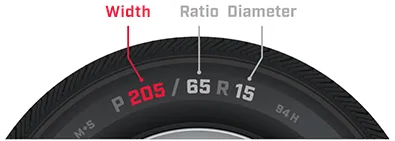
215/65/R16
EVERY TIRE
PURCHASE INCLUDES FREE LIFETIME TIRE ROTATIONS* & FREE PEPCHECK CAR INSPECTION
At Pep Boys, we partner with leading tire manufacturers to bring you the best options
for quality and durability. Choose from brands like:
˝
Shop Tires by Tire Type
Whether you are navigating city streets, rough terrain, or icy roads, Pep Boys has you
covered with a wide selection of tires tailored to your driving style and environment.
*Subject to credit approval. See store for details.
You have Questions, We have Answers
At Pep Boys, we make sure you have the facts you need so you can make smart, educated decisions. Learn what makes tires great so you can choose the very best tires and wheels to suit your needs.
Buying Tires Online
We make it quick and easy for you to find new tires that...
We make it quick and easy for you to find new tires that..
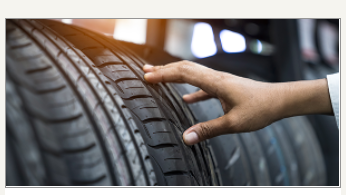
Determining when it's time to replace your tires might be tricky, but the penny test is an easy and accurate way to measure how much tread is left on a tire.
Determining when it's time to replace your tires might be tricky, but the penny test is an easy and accurate way to measure how much tread is left on a tire.
Have you ever felt a weird vibration coming from your steering wheel when you're cruising along the highway or your car shaking when you pick up speed?
Have you ever felt a weird vibration coming from your steering wheel when you're cruising along the highway or your car shaking when you pick up speed?
Getting a tire rotation on a regular basis, as well as paying attention to your tire pressure and wheel alignment, will keep your tires rolling longer.
Getting a tire rotation on a regular basis, as well as paying attention to your tire pressure and wheel alignment, will keep your tires rolling longer.
The workers here really went above and beyond helping me. After a long day of waiting for AAA, I finally arrived at Pep boys 45 minutes until close. They replaced all 4 tires and stayed late to get it was done in one day. I appreciate the friendly customer service and would definitely recommend them!Pep Boys – Pittsburgh, PA
Had a nail in my tire, got me in right away, and repaired my tire with a patch/plug combo in no time at all!! Friendly personable fellas in the service department!! Now I can safely drive back to NC!! THANKS!!Pep Boys - Chicago, IL
These guys are top notch. Came in tonight with a tire emergency and they helped us out. I recommend them for all your tire and mechanical needs.Pep Boys - Apopka, FL
Frequently Asked Questions
The cost of replacing all four tires can vary widely based on factors such as the size, brand, and type of vehicle. Additional costs for tire installation, tire balancing, and wheel alignment may also apply. At Pep Boys, we aim to provide competitive pricing, special tire deals to meet your needs, and financing options to make tire replacement more affordable. Start shopping our available tires here to see pricing for tires that fit your vehicle.
Tires usually last between three to five years or approximately 50,000 to 70,000 miles, depending on your driving habits, road conditions, and tire maintenance. Proper care, including regular tire rotations and maintaining the correct tire pressure, can help extend their lifespan. However, factors like frequent driving on rough roads or carrying heavy loads may lead to faster wear. Regular inspections and adhering to the manufacturer's guidelines will help you determine if your tires are performing as they should.
Tires should generally be replaced every six to ten years, even if they appear to be in good condition, as the rubber can degrade over time. More frequent replacement may be necessary if the tread depth falls below 2/32 of an inch, as this is the legal minimum in many areas. Signs like visible cracks, bulges, or uneven wear also indicate it’s time to replace your tires. Regular checks can help you assess whether your tires are still safe to use, ensuring optimal performance and safety on the road.
The lifespan of tires depends on factors like quality, design, and usage. While affordable tires may perform adequately under normal conditions, they may not offer the same durability or advanced features as premium options. High-quality tires are often built with better materials and technology to withstand wear and tear more effectively. Choosing the right tires for your driving habits and conditions is essential. At Pep Boys, we provide a range of tires to suit various needs and budgets while helping you make an informed decision.
The penny test is a quick and easy way to check your tire tread depth. To perform the test, insert a penny into the tread groove with Lincoln's head facing down. If you can see the top of Lincoln’s head, the tread depth is less than 2/32 of an inch, indicating that it’s time to replace the tire. Proper tread depth is essential for maintaining traction and safety, especially in wet or slippery conditions. Regular inspections can help ensure your tires are road-ready.
FREE INSTALLATION ON GOODYEAR TIRES IN SETS OF 4 - Valid 6/28/25 – 7/6/25 on purchase of 4 Goodyear tires with installation. Includes $120 off installation ($30 per tire). Installation discount does not apply to road hazard warranties or taxes. Excludes special order, commercial, fleet, warranty, and road hazard adjusted tires. Not valid with other offers, rebates, discounts, or promotions, except manufacturer rebates. Other terms and restrictions may apply. See your nearest Pep Boys location for details.
GET $110 BACK WITH MFG MAIL-IN REBATE ON SELECT CONTINENTAL TIRES IN SETS OF 4 - Valid only on qualifying, single-transaction purchases made between 7/1/2025 and 08/31/2025 or while supplies last. Void where restricted or prohibited by law. No rain checks. Submission must include copy or original, dated, paid, itemized receipt and invoice for the purchase of four (4) new qualifying tires. Limit 2 rebates per person, household, email, or address. Offer excludes all special order, commercial, fleet, warranty and road hazard adjusted tires. Not valid in combination with any other offers, rebates, discounts, or promotions, except mfg rebates. Not valid on previous purchases. Rebate forms must be postmarked or submitted online by 6/30/25. Allow 8-12 weeks for Mastercard Prepaid Card/Virtual Card delivery. Card valid for up to 6 months; unused funds will be forefeited. Card is non-transferable. Additional terms apply. See rebate form or call your nearest Pep Boys location for full terms.
15% OFF WHEN YOU BUY 2 or MORE Sailun or Crosswind tires with installation - *Valid 7/1 - 7/17/25. for sets of 2 or more identical Crosswind or Sailun tires while supplies last. Offer requires these additional fees: (a) standard tire installation package fee of $120 ($30 per tire, more for Premium package), including balancing and valve stems or TPMS service kit, plus (b) state or local taxes. Excludes all special order, commercial, fleet, warranty, and road hazard adjusted tires. Not valid in combination with any other offers, rebates, discounts, or promotions, except mfg rebates. Other terms and restrictions may apply.
FREE INSTALLATION ON PIRELLI TIRES - SAVE $120 INSTANTLY - Valid 7/1–8/31/25 on purchase of 4 Pirelli tires with installation. Includes $120 off installation ($30 per tire). Installation discount does not apply to road hazard warranties or taxes. Excludes special order, commercial, fleet, warranty, and road hazard adjusted tires. Not valid with other offers, rebates, discounts, or promotions, except manufacturer rebates. Other terms and restrictions may apply. See your nearest Pep Boys location for details.
FREE 4TH TIRE + FREE INSTALL ON SET OF 4 COOPER ADVENTURER ALL SEASON TIRES - Valid on purchase of sets of 4 Cooper Adventurer All Season tires between 6/28/25 - 7/6/25. Includes up to $300 off the 4th tire (based on regular retail price) and $120 off installation ($30 per tire). Excludes all special order, commercial, fleet, warranty and road hazard adjusted tires. Not valid in combination with any other offers, rebates, discounts, or promotions, except manufacturer rebates. Other terms and restrictions may apply. See your nearest Pep Boys location for details.
BUY 1 TIRE, GET 1 FREE ON AMERICAN TOURER SPORT TOURING TIRES - Valid on 1 or more American Tourer Sport Touring all season tires between 6/01 - 6/30/25.Tire discount equals the retail price of one tire in a purchased set, excluding taxes. Offer requires: (a) installation at $30 per tire (higher for Premium package), including balancing and valve stems or TPMS service kit, plus (b) state or local taxes. Excludes all special order, commercial, fleet, warranty and road hazard adjusted tires. Not valid in combination with any other offers, rebates, discounts, or promotions, except manufacturer rebates. Other terms and restrictions may apply. See your nearest Pep Boys location for details.
FREE INSTALL + UP TO $60 BACK ON SELECT MICHELIN TIRES IN SETS OF 4 - Valid on purchase of select sets of 4 Michelin tires between 6/11/25 - 6/17/25. Offer includes $120 off installation ($30 per tire), applied at time of purchase. Installation discount does not apply to road hazard warranties or state or local taxes. $60 Visa® Reward Card or Visa® Virtual Prepaid Card available for purchases of 4+ new Michelin passenger or light truck tires totaling $900.00+. $40 Visa® Reward Card or Visa® Virtual Prepaid Card available for purchases of 4+ Michelin passenger or light truck tires totaling $899.99 or less. Limit 1 redemption request per qualifying purchase. Offer valid only for U.S. residents 18 years of age or older. Offer excludes all special order, commercial, fleet, warranty and road hazard adjusted tires. Not valid in combination with any other offers, rebates, discounts, or promotions, except mfg rebates. Not valid on previous purchases. Rebates must be submitted online at Michelin Reward Center - Home Page no later than 5/8/25. Allow 4-6 weeks for rebate delivery by mail; 3-5 weeks by email. Additional terms and apply. See rebate form or your nearest Pep Boys location for full terms.
Up To $100 Visa Prepaid Card By Mail With Pepboys Credit Card Purchase - Offer valid on qualifying purchases made with your Pep Boys Synchrony Car Care™ Credit Card from 6/28/25 - 7/31/25. $100 Visa® prepaid card from Synchrony is available on purchases of $1,000 or more, excluding taxes; $50 Visa® prepaid card from Synchrony is available on purchases of $499 - $999.99, excluding taxes. Subject to credit approval. Applies to a single receipt in-store purchase. Rebate forms must be postmarked or submitted online by 08/30/2025. Allow 6-8 weeks for fulfillment. Limit 1 per customer. Prepaid card terms apply. Other terms and restrictions may apply. Void where prohibited. The Visa Prepaid Card is issued by Pathward®, Member FDIC, pursuant to a license from Visa U.S.A. Inc. Offer not valid with Pep Boys Fortiva Credit Card. See https://www.pepboys.com/pep-boys-credit-card for Synchrony rebate details. See here
Email Signup
Sign up for Pep Boys Email Offers
Start receiving discounts, store special alerts, and money saving tips
The Suggested Equal Monthly Payment shown above (which may exclude taxes, fees and
additional services) may be greater than the required minimum monthly payment that will
be on your billing statement when you use the 6 month promotional financing offer.
This estimated payment:
Equals the Amount Financed divided by 6 rounded to the next highest whole dollar.
Would pay off the Amount Financed within 6 months, but only if there are no other balances on your account at any time during the 6 month promotional period and you make your payments on time. Your total payments will equal the Amount Financed.
If the Amount Financed is not paid in full within 6 months, interest will be charged to you account from the purchase date and your total payments will be greater than the amount of the Amount Financed.
No Interest if Paid in Full Within 6 Months1
On purchases of $199 or more made with your Pep Boys Synchrony Car Care credit card. Interest will be charged to your account from the purchase date if the promotional balance is not paid in full within 6 Months. Minimum monthly payments required.